The Weekly Forum - 11 December
15 december 2025 | Forum for Democracy Intl

The Nexperia affair was a disgrace. In October, the caretaker Dutch government seized control of a Chinese-owned semi-conductor manufacturer and sacked the senior management. The suspicion was that The Hague was acting on orders from Washington to sabotage the Chinese economy: it used a law from the 1950s, supposedly to prevent supply breakdowns within the country, but that law had never been invoked before. The Chinese government responded furiously, stopping all exports of chips to Europe and creating a panic, especially among German car manufacturers. The Dutch minister backed down - red faces all around. FVD’s Ralf Dekker addressed this matter in a recent speech to Parliament. FVD is not hostile to the government protecting strategic industries but that boat sailed long ago, as dozens of major Dutch companies have fallen into foreign ownership. On the other hand, FVD does not want to go back to the old pre-1990s corporatist model, when the government was deeply involved in whole swathes of the economy. Is there a middle way? Can the government take a strategic view, and perhaps a stake, in certain companies believed to be essential to the national interest? Maybe – but that would require ‘national interest’ to be a clearly formulated concept in government policy!
Watch Ralf Dekker’s speech here (translated by AI)
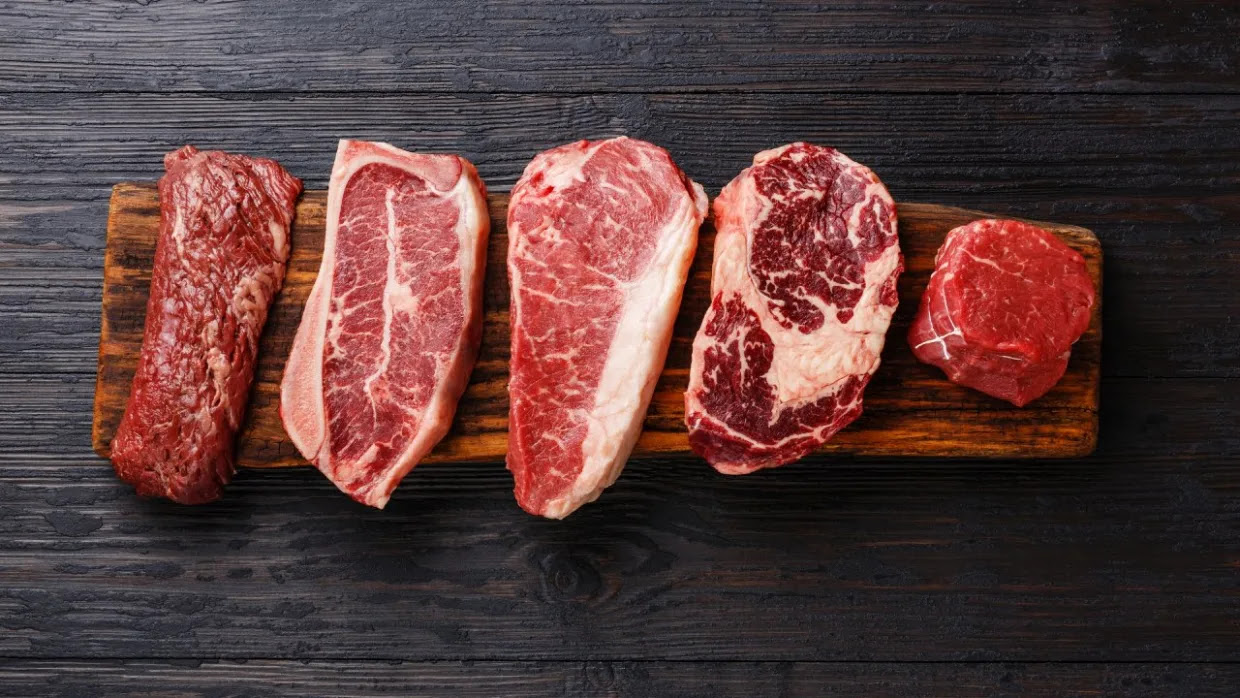
Such interventions and expertise show that FVD is not just about the EU or immigration. The party’s interests are exceptionally broad. Eerlijk Eten, the food delivery company – from the farmer to the kitchen table – is one example of FVD’s interest in metapolitics, not to mention in food itself and in particular in exceptionally high-quality meat. In this, as on so many issues, FVD is swimming against the tide. The Dutch government has recently published the recommendation that people eat less meat and more plant-based foods. But what is the basis for this advice? Dieticians are far from unanimous about the healthiness of plant food as opposed to meat. Has the climate madness also gotten a grip on health policy? Pepijn van Houwelingen has put down questions to the government to ask about this. Don’t hold your breath for the answers!
Read Pepijn van Houwelingen’s questions here
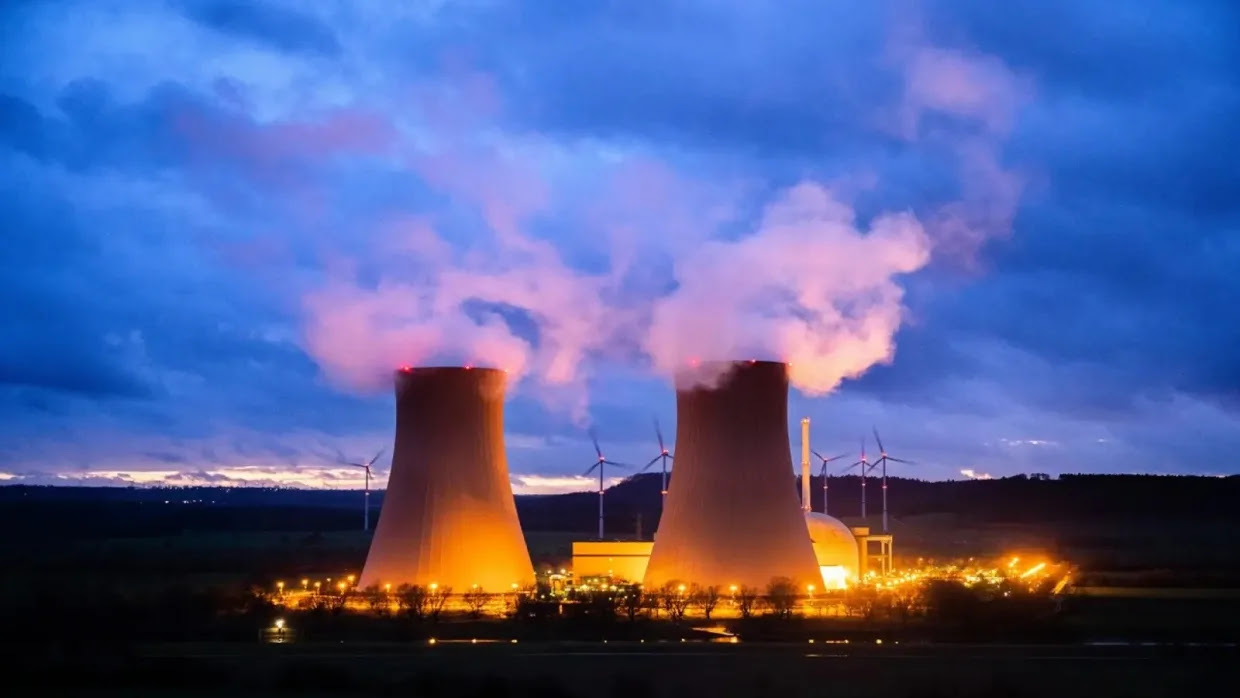
And what is at the basis of everything – food, the economy, human life? Energy, of course. On this, as on other matters, FVD has a unique and original message, in this case about thorium. China has just developed a thorium reactor which uses molten salt instead of solid fuel rods. The molten salt, mixed with thorium, acts as both coolant and fuel. This means that a nuclear reactor can neither suffer a meltdown, as at Fukushima, nor a steam explosion as at Chernobyl. Thorium is also three times more abundant than uranium. This is a chance to produce safe, clean energy at low cost – a chance any responsible government should seize. Only FVD thinks ahead.
Read FVD’s explainer about thorium here

Samuel Furfari has been working on energy for 36 years, at the European Commission. He has authored 20 books on energy policy and was our guest on The Forum this week. His message is simple: renewable energy can simply never supplant ‘fossil fuels’ because these sources can only ever supply a small fraction – and an unreliable supply at that – of total energy needs. Yet international elites, who meet for yearly UN-sponsored climate conferences, continue to parrot the fiction that they can. It is nothing but wilful illusionism, as if summits could change the laws of physics.